

Typically, a preferred stock will pay a dividend, but preferred stockholders typically have no voting rights in the company. Companies report preferred stock at par value, which is the issued or redeemable amount. This type of stock appeals to investors who desire stability and predictability in future dividends. Total stockholders’ equity declined from just over $1bn in January, to $828m at the close of the year. We can see from the information provided that net income for the period added $720m, but then dividends were paid out and there was a $593m share repurchase.
- Equity-based compensation involves granting shares or stock options to employees as part of their remuneration.
- Common stockholders can earn more than preferred stockholders, but are also the lowest priority claim on a company’s assets if there is a default.
- This represents the balance of shareholders’ equity reserves at the end of the reporting period as reflected in the statement of financial position.
- GAAP (Generally Accepted Accounting Principles) and IFRS (International Financial Reporting Standards) are sets of accounting standards that provide guidelines for financial reporting.
- This process can reveal the strategic financial decisions made to align with the company’s long-term goals.
- This in turn can elevate stock prices, thereby resulting in an increasing shareholders’ equity.
Components of the Statement of Changes in Equity:
A. It is used to understand changes in equity, assess financial stability, and gauge the impact of various financial decisions on shareholder value. Moreover, if such initiatives do not yield anticipated financial returns, they could lead to a decline in total shareholders’ equity. Such a scenario may create tension with shareholders, particularly those that primarily focus on financial returns. To get a solid understanding of a statement of changes in equity we’ll explore what is included in this statement, how it’s structured, and how to interpret its valuable insights, accompanied by practical examples. Iv) Return on equity is also a financial performance measure that the percentage of profits when compared with the equity of stockholders. Iii) Return on assets is also a financial performance measure that shows the percentage of profits that have been made from the use of the gross vs net assets for the period.
What is the difference between stockholders’ equity components in sole proprietorships, partnerships, and corporations?

It is a key component of a company’s balance sheet and indicates the ownership value held by shareholders. The decision between debt and equity financing influences the company’s leverage and risk profile. High levels of debt can increase financial risk, while too much equity might dilute existing shareholders’ ownership. Therefore, companies strive to find the optimal balance to support sustainable growth and shareholder returns. Changes in ownership and capital structure can significantly impact stockholders’ equity.

Additional Resources
With Daftra, you get full control over the statement of owners’ equity and all financial statements. They represent the financial amounts distributed to owners from the year’s profits; therefore, dividend distributions appear as negative amounts under retained earnings because they have been distributed. Daftra accounting software helps you manage your accounts easily by preparing financial reports for you at the end of the accounting period. The formula for a statement of changes in equity includes the opening and closing value of the equity, net income for the year, dividends paid, and other changes. This statement is most likely to be issued when the recipients are outside parties, such as creditors, https://speakenglishathome.com/nonprofit-organization-accounting-new-york-city-ny/ investors, and lenders.


A stock split increases the number of shares outstanding by issuing more shares to existing shareholders, while a reverse stock split reduces the number of shares outstanding. Accumulated other comprehensive income includes unrealized gains and losses that are not included in net income. Examples include foreign currency translation adjustments and unrealized gains or losses on certain investments. Companies may need to adjust their accounting practices to comply with new laws or standards, which can significantly alter their reported equity. Examining these adjustments provides a clearer picture of how external factors influence corporate financial reporting and stockholder relations.
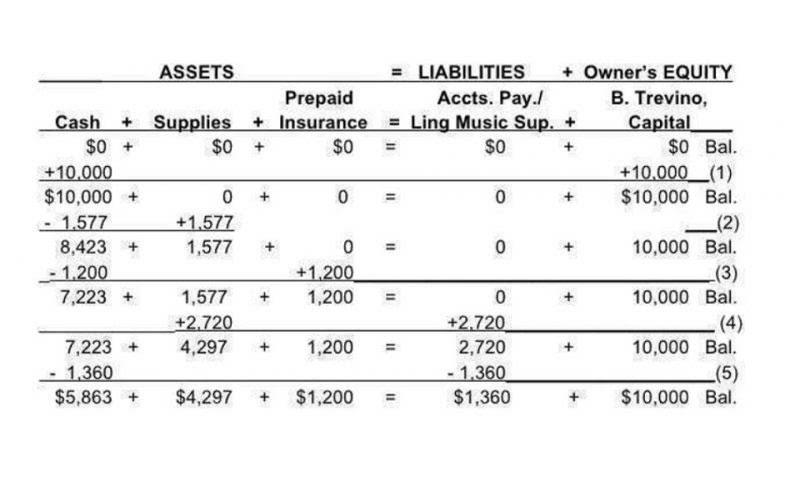
There are many other possible sorts of elements that could be in a statement of change in equity. Reconciling these balances ensures that the financial statements are internally consistent and accurate. Dividend payments dispensed or declared throughout the period can be subtracted from stockholder equity as they signify the delivery of capital characterized by the shareholders.
- This particular financial statement offers a transparent view of the financial events that influence a company’s net worth.
- This ensures that the stockholders’ equity section reflects the true economic impact of these transactions.
- Issuing new shares can dilute existing ownership percentages but may raise additional capital for business growth.
- Through this essential financial document, corporations uphold an important facet of good governance—transparency.
This primary purpose of Statement of Changes in Equity statement of stockholders equity is to provide details about all the movements in the equity account during an accounting period, which is otherwise not available anywhere else in the financial statements. As such, it helps the shareholders and investors make more informed decisions about their investments. Further, it also allows the analysts and other readers of the financial statements to understand what factors resulted in the change in the equity capital.
The reporting and disclosure requirements for stockholders’ equity statements are essential for ensuring transparency and accuracy in financial reporting. Companies must provide detailed disclosures about changes in ownership and capital structure, including stock issuances, repurchases, and dividends. These disclosures help investors and stakeholders understand the financial health and strategic decisions of the company. It provides detailed information about the changes in the value of shareholders’ equity or ownership interest in a company over a specific accounting period. This document helps investors understand the reasons behind the changes in equity accounts and the business activities that contribute to these movements.